On a sunny Saturday morning in a suburban neighborhood, a group of kids gathers for an impromptu egg toss competition. Laughter fills the air as they enthusiastically fling raw eggs to one another, but the fun quickly turns chaotic when an errant throw lands an egg squarely on a parked car. This moment raises an unusual but crucial question: does car insurance cover egg damage? While many may chuckle at the scenario, it’s essential to understand the nuances of auto insurance policies.
When it comes to unexpected damages, car owners often wonder what their insurance actually covers. In this case, the question of whether car insurance cover egg damage highlights the importance of being informed about policy specifics. Most standard auto insurance plans focus on common incidents, such as accidents or vandalism, but they may not address the whimsical nature of food-related mishaps.
Kids Clean Up Car Insurance Cover
As the kids scramble to clean up the mess, the owner of the car glances at their insurance documents, searching for answers. However, the fine print can often leave consumers confused about what is included. Understanding the terms of coverage is vital, especially when dealing with bizarre incidents that aren’t as straightforward as typical accidents. This article will explore how car insurance responds to such peculiar situations and help clarify the policies at play.
- Egg damage can cause significant issues beyond cosmetic damage to your vehicle’s paint.
- Unexpected incidents, like eggs being thrown, can occur while driving in suburban areas.
- Understanding your insurance policy is crucial for knowing what types of damages it covers.
- Coverage for egg damage depends on the nature of the damage and your specific policy.
- Taking immediate steps after egg damage can help determine if your insurance will assist.
- Understanding Car Insurance Cover for Damage
- Common Scenarios Where Egg Damage Occurs
- Insurance Policies: Car Insurance Cover Explained
- Does Car Insurance Cover Egg Damage? A Detailed Analysis
- Steps to Take After Experiencing Egg Damage
- Misconceptions About Car Insurance Cover
- Frequently Asked Questions
- Conclusion
Understanding Car Insurance Cover for Damage
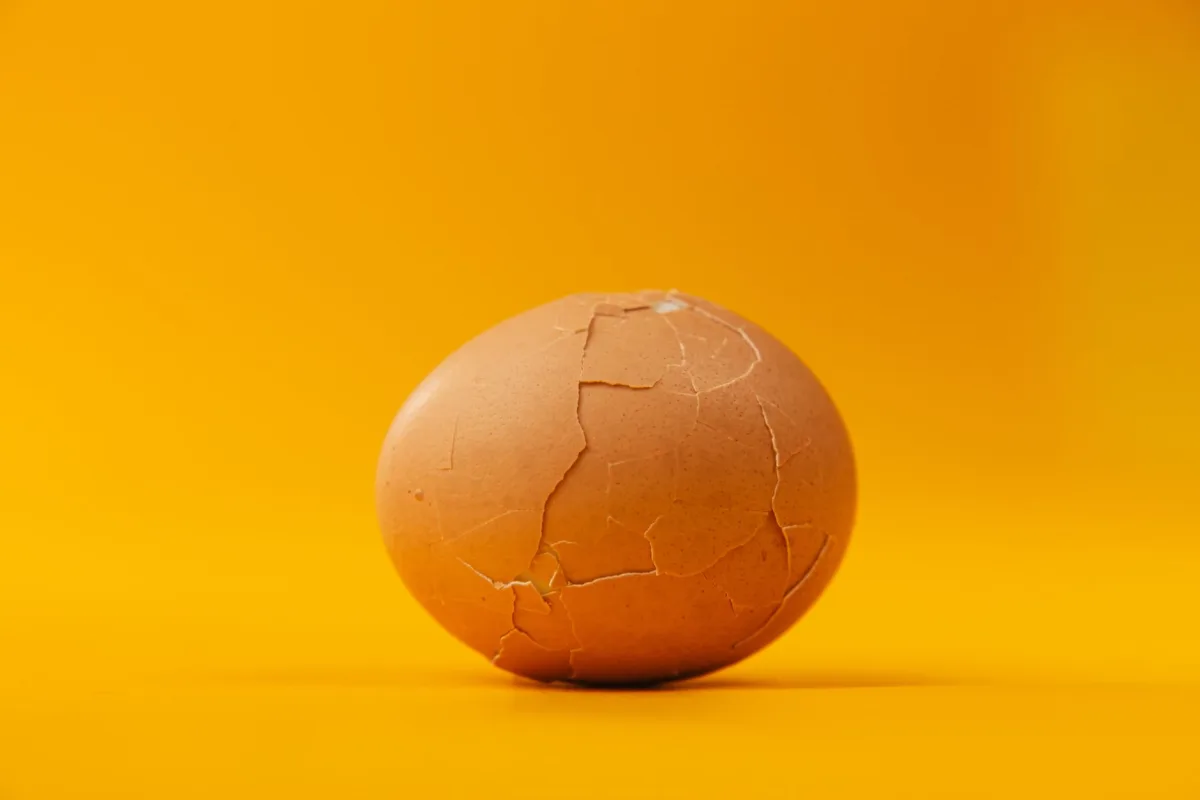
Egg damage to vehicles may seem trivial at first glance, but it can actually lead to significant issues. When an egg hits a car, the damage can be more than just cosmetic. The egg’s shell can crack the paint and leave behind protein residue, which can, over time, cause corrosion. This damage is often not immediately visible, leading to more extensive repairs down the line. Understanding the nature of this damage helps car owners make informed decisions about maintenance and insurance claims.
The Impact of Egg Damage on Car Surfaces
When an egg strikes a vehicle, it affects the paint and underlying layers. The initial impact can create a dent or a crack in the clear coat, while the acidic nature of the egg can begin to eat away at the paint beneath it. If not addressed quickly, this can lead to rust formation. For example, consider a scenario where a car parked outside is hit by an egg thrown during a neighborhood prank. Initially, the owner might notice only a small dent, but failing to clean the area immediately can result in a larger paint issue. The egg residue can start to degrade the paint, making the car look older and less valuable.
Moreover, the damage can extend beyond aesthetics. If the egg seeps into the seams of the car, it could create problems with the vehicle’s sealants. This can lead to water entering and causing mold or electronics issues. Thus, the repercussions of egg damage can extend more than expected.
Common Scenarios of Car Insurance Cover
Egg damage typically occurs in specific scenarios. Commonly, cars parked in residential areas during holidays or events are vulnerable to such antics. Young people, perhaps celebrating a graduation or holiday, might take part in egging as a harmless prank. However, car owners often underestimate the potential damage.
Another scenario involves commercial vehicles. Delivery vans parked for extended periods can become targets. Any business reliant on a vehicle needs to recognize that egg damage is a real possibility, impacting not just the vehicle but also their overall service quality. Preventative measures include using covered parking whenever possible or investing in protective coatings.
Insurance Coverage Considerations
When it comes to whether car insurance cover egg damage, many owners are left wondering about their policy specifics. Most standard auto insurance policies include coverage for vandalism, which can encompass egging. However, this is contingent on the owner filing a police report and showing proof that the damage was intentional, rather than accidental.
In addition, maintaining comprehensive coverage can provide peace of mind for various forms of damage, including vandalism from eggs. Understanding the nuances of your policy can guide you in filing a successful claim. If you suspect your coverage might not extend to egg damage specifically, it might be time to revisit your insurer and discuss options that would protect you better.
Next Steps After Car Insurance Cover
If you fall victim to egg damage, taking swift action is essential. First, clean the affected area immediately. Use a mild soap and water solution to wash away the residue before it can penetrate deeper into the paint. Following this, document the damage with photographs, as this can assist in any insurance claims.
Next, report the incident to your insurance provider. Be prepared to provide details, including the time, location, and circumstances surrounding the damage. This evidence will support your claim. It’s also advisable to consult a body shop to assess the damage’s extent and provide an estimate for repairs.
Moreover, consider reading more about insurance policies to equip yourself better. For a broader understanding of insurance coverage, you may find this A Nurses Guide to Health Insurance Portability helpful. This guide sheds light on various aspects of insurance that could be beneficial for your overall knowledge.
Through awareness and timely action, car owners can better navigate the aftermath of such incidents, ensuring that they do not face unexpected repair costs.
Common Scenarios Where Egg Damage Occurs

Unexpected Incidents and Car Insurance Cover
Sometimes, egg damage happens in the most unexpected situations, particularly on the road. Picture this: you’re driving peacefully down a suburban street when suddenly, a group of teenagers decides to throw eggs at passing cars. You witness this from your rearview mirror, but it’s too late; your vehicle becomes the target of their prank. The eggs splatter against your car’s windshield and body, leaving a mess that could potentially damage the paint. This scenario raises the question of whether your auto policy can help with such damages. Typically, your policy’s specifics might cover this form of vandalism, depending on the details.
Parking Lot Pranks
Another common scenario occurs in parking lots, where pranks can escalate quickly. You return to your parked car, only to discover that someone has targeted it with eggs, leaving a sticky residue on the windows and paint. This type of damage can be particularly distressing, especially if the eggs have been left to sit for some time. In these situations, many car owners wonder if their comprehensive insurance would take care of the costs associated with cleaning and repairs. Coverage can vary significantly among different policies, so it’s essential to check the fine print regarding vandalism and egg damage.
Celebratory Throwing and Car Insurance Cover
Egg throwing isn’t always malicious; it can sometimes be part of celebratory traditions, such as during certain holidays or events. Imagine you’re attending a local festival where people celebrate with food fights. While it may seem harmless, if you step away to grab a snack, egg splatters could subject your car. This kind of damage might not be as straightforward when it comes to filing a claim. While some insurance policies might cover damages caused during such events, others may have exclusions for damages that occur in the context of festivities. Therefore, it’s crucial to review your auto policy regarding coverage limits during celebrations.
Environmental Factors
Lastly, environmental factors can also lead to egg damage, although indirectly. For instance, birds nesting in your area may drop eggs or even their waste on your vehicle, resulting in unsightly stains and potential damage. In these cases, you may find yourself asking whether your car insurance covers the cleanup and repair costs. Many vehicle owners are surprised to learn that typical comprehensive policies offer limited coverage for such occurrences. Therefore, understanding how your policy handles environmental damage is critical.
While some scenarios may seem obvious for claiming damages, others can be tricky. It’s crucial to scrutinize your auto policy to see if it explicitly mentions coverage for egg damage and vandalism. Knowing your rights and responsibilities can save you from unexpected costs down the line. If you’re unsure, consider consulting resources like the Insurance Information Institute for guidance on navigating these situations effectively.
Baca juga: A Nurses Guide to Health Insurance Portability
Insurance Policies: Car Insurance Cover Explained
When it comes to understanding what your insurance policy covers, it’s crucial to grasp the nuances. Most auto insurance policies typically contain several types of coverage that protect drivers from various risks. However, when it comes to unusual incidents, such as egg damage, the situation might not be as straightforward as you expect.
Comprehensive Coverage Explained
Comprehensive coverage is a type of insurance that protects your vehicle against a variety of non-collision related damages, such as theft, vandalism, and natural disasters. This type of policy often covers damages inflicted by environmental factors like hail or fallen trees. However, the question remains: does car insurance cover the specific incident of eggs being thrown at your vehicle?
Generally, comprehensive insurance policies cover damages that arise from unforeseen events, but they usually do not explicitly mention vandalism caused by food items like eggs. Many insurers categorize this kind of act under ‘vandalism,’ which your policy sometimes only partially covers. As a result, understanding the fine print is essential.
Collision Coverage and Car Insurance Cover
Collision coverage applies when your car is damaged as a result of a collision with another vehicle or object. While this might not seem relevant for egg damage, it’s worth noting that if a thrown egg causes you to swerve and hit another object, this coverage could come into play. However, your policy may not cover direct damage from an egg striking your vehicle.
In scenarios where the egg has caused significant paint damage or chipped surfaces, you may need to handle repairs out of pocket if your policy does not classify it as a covered event. Therefore, it is important to review what your policy explicitly states regarding coverage limits and exclusions.
Understanding Liability Coverage
Liability coverage primarily protects you if you are at fault in an accident that causes damage to another person’s property or bodily injury. However, it does not cover damages to your own vehicle. If someone throws an egg at your car, this usually falls under personal vandalism and doesn’t invoke liability claims.
This particular coverage can often lead to confusion, especially when discussing acts of vandalism. If you find yourself a victim of egging, your liability coverage will not aid in the repair costs. Instead, you’ll need to check your comprehensive policy or consider filing a police report for vandalism, which might help if you decide to file a claim later.
Assessing Your Policy for Specific Incidents
Understanding what your auto insurance encompasses is vital. Many drivers assume all forms of damage are covered, but policies often contain specific exclusions. To ensure you are well-prepared, take the time to review your policy document for any mention of vandalism coverage or exclusions related to food-related accidents.
Moreover, many drivers overlook the importance of keeping detailed records of damages. This is particularly crucial in cases that involve vandalism, like eggs being thrown at your car. Having documentation and possibly photographic evidence can bolster your case when filing a claim. For further clarification on specific coverage rules, you might want to visit NAIC, which offers resources on auto insurance and consumer rights.
While the nuances of car insurance coverage can be complicated, understanding the types of protection available, such as comprehensive and collision coverage, allows for better decision-making. Keep in mind that unusual incidents like egg damage may not be covered directly, and having a clear grasp of your policy can save you from unexpected repair expenses.
Does Car Insurance Cover Egg Damage? A Detailed Analysis
When considering whether car insurance covers egg damage, it is essential to delve into specific scenarios and policies. The nature of the damage plays a crucial role in determining coverage. For instance, if someone vandalizes a vehicle and throws eggs at it, the comprehensive policy may cover the damage, which protects against non-collision-related damages. However, if the incident is deemed as intentional or due to negligence, the claim may be denied. Understanding these nuances can significantly impact the outcome of any claim.
Understanding Comprehensive Coverage
Comprehensive coverage is a type of car insurance that protects against a variety of damages not resulting from a collision. This includes incidents like theft, vandalism, and natural disasters. When considering whether car insurance cover damage from eggs, it’s crucial to assess whether the damage falls under this category. If someone throws the eggs as part of an act of vandalism, the comprehensive policy might provide coverage for the repairs needed. For example, if a driver returns to their car to find it covered in egg residue, which has caused the paint to chip, they could potentially file a claim for the repairs under their comprehensive insurance.
Moreover, documentation plays a significant role in the claims process. Taking photographs of the damage, obtaining witness statements, and filing a police report can strengthen a claim. Insurance companies often require evidence to substantiate claims for damages, especially when it involves vandalism. Therefore, being proactive in gathering evidence can pave the way for a smoother claims process.
Exclusions in Car Insurance Cover
On the other hand, not all incidents involving egg damage guarantee coverage. Many insurance policies have specific exclusions that apply in various situations. For example, if the damage is considered minor or if the insured has not maintained their vehicle properly, the insurance provider may refuse to cover the costs. Additionally, if the policyholder has a history of frequent claims, the insurer might also scrutinize the current claim more closely.
Claim Process for Egg Damage
If a vehicle sustains damage from eggs, the steps taken afterward can influence whether car insurance covers the incident. First, the policyholder should immediately report the damage to their insurance company. Most insurers have a dedicated claims department that specializes in handling such issues. They will guide you through the necessary steps and documentation required for filing a claim.
Furthermore, you cannot overstate the importance of timely reporting. Many insurance policies have a specific timeframe for reporting incidents; if the damage is reported after this period, the claim might be denied. Therefore, reaching out promptly can make all the difference in successfully navigating the claims process.
Additionally, gathering estimates for repair costs can be beneficial. This information will help the claims adjuster assess the value of the damage and determine the compensation amount. Engaging with reputable repair shops and obtaining detailed quotes can further substantiate the claim, ensuring that the policyholder receives the coverage they deserve.
Customer Experiences with Car Insurance Cover
Real-life experiences can provide insightful perspectives on how car insurance covers egg damage. Many individuals have reported varying outcomes based on their specific insurance policies. For instance, one car owner found that their comprehensive coverage fully covered the cost of repainting their vehicle after an egging incident. They had meticulously documented the damage, which made their case stronger. In contrast, another individual experienced denial due to a lack of evidence and a poorly maintained vehicle, leading to significant out-of-pocket expenses.
These testimonials highlight the importance of understanding both the policy details and the claims process. Engaging with previous claimants can offer valuable lessons on what to expect when navigating insurance claims related to egg damage. Ultimately, being well-informed and prepared can increase the likelihood of a favorable outcome.
Steps to Take After Experiencing Egg Damage
Experiencing egg damage to your car can be both frustrating and confusing. Many people wonder what to do next and whether their insurance will help. While the specifics depend on your policy, there are important steps you can take to effectively handle the situation and navigate your claim.
Assess the Damage for Car Insurance Cover
The first step after discovering egg damage is to carefully assess the extent of the harm. Check the vehicle’s exterior for any visible signs of damage, including scratches, paint chipping, or cracks. Egg contents can be acidic, potentially causing more harm over time if not addressed promptly. Take several pictures documenting the damage from various angles. This visual evidence can be crucial later, especially when filing a claim with your provider.
Moreover, if the damage is minor, you might consider cleaning it yourself. Use a soft cloth and a gentle cleaner to avoid further scratching. However, if the damage appears extensive, it’s best to consult a professional detailer or body shop. A professional can give you a better idea of the repairs needed and whether the damage might affect other components of your vehicle.
Document Everything
In addition to taking photos, documenting everything related to the incident is essential. Write down the date and time when you discovered the damage, along with any relevant details about the circumstances. For instance, did the incident happen during a specific event, or was it random? If you suspect any individual might be responsible, gather witness statements or their contact information.
This documentation will be beneficial when you approach your insurance company. It will help clarify how the damage occurred and can assist in determining liability. Remember, while you may think your car insurance cover will handle it, having thorough documentation can expedite the claims process and reduce disputes.
Contact Your Car Insurance Cover Provider
Once you’ve assessed and documented the damage, it’s time to contact your insurance provider. Prepare yourself for a series of questions about the incident and the damage. Make sure to explain how and when it occurred, as well as any documentation you’ve gathered thus far. You might also want to ask your insurer directly if your policy includes coverage for egg damage.
Policies vary significantly, and while some may cover vandalism, others may exclude specific damage types. If your car insurance covers damage caused by vandalism, this might apply if the damage is deemed intentional. Understand the terms of your coverage to avoid any surprises down the line. A thorough conversation with your provider will clarify your next steps.
File a Claim
If your car insurance cover includes the damage, the next step is to file a claim. Gather all your documentation, including photos, witness statements, and any other relevant information, to submit with your claim. Most insurance companies have an online claim filing system, making it easier to submit your information quickly.
When filling out the claim form, be as detailed as possible. Include everything you observed about the damage and how it occurred. After submission, keep track of your claim status. Your insurance company will likely request additional information, so stay responsive.
If everything goes smoothly, the insurer will send an adjuster to assess the damage and determine the repair costs. This step is vital, as it directly influences your compensation amount. Ultimately, understanding the claims process and following these steps can ensure you’re adequately covered for the damage and any repairs needed.
Misconceptions About Car Insurance Cover
Many drivers mistakenly believe that their auto insurance will cover all types of damage, including the peculiar case of egg damage. When someone throws eggs at a vehicle, they can create unsightly stains, scratches, or even result in paint damage. However, a common misconception persists: that car insurance covers such incidents under comprehensive or collision policies. In reality, the coverage for egg damage can be quite nuanced, depending largely on the circumstances surrounding the incident.
The Assumption of Coverage for Vandalism
One prevalent myth is that egg damage falls under the category of vandalism, which comprehensive insurance often covers. While it’s true that vandalism can be a covered peril, policies vary. For instance, if the damage occurs during an act of vandalism by an unknown perpetrator, some insurance providers might cover the costs after the deductible is met. However, if the damage is seen as a result of typical wear and tear, or it can be linked to a specific individual who is identifiable, the claim may not be approved. Many policyholders are shocked to discover that even though they think their policy should apply, the specific circumstances can lead to a denial of coverage.
Understanding Deductibles and Limits
Another misconception concerns the role of deductibles in claims related to egg damage. Policyholders often believe that as long as they file a claim, they will receive compensation for the full extent of the damage. However, this isn’t the case. Insurance policies typically include a deductible, which is the amount you must pay out of pocket before the insurance kicks in. If the cost of repairs is less than your deductible, it doesn’t make sense to file a claim. For example, if you set your deductible at a certain amount and the cost to repair the paint damage from the egg is lower, you will be responsible for covering that expense entirely. Therefore, understanding your specific deductible is crucial before proceeding with a claim.
The Role of Specific Policy Language
Another area where misconceptions arise is in the specific language of insurance policies. Policyholders may read through their documents and assume broad coverage without understanding the nuances of exclusions or specific terms. Many policies contain clauses that explicitly outline what types of damages they cover and under what conditions. For example, if your policy specifies that it covers accidental damage but excludes incidents caused by environmental factors or human actions, you might find yourself without coverage for egg-related damage. Thus, it’s vital to review policy documents carefully and clarify any ambiguous terms with your insurance agent.
Impact of Local Laws and Regulations
Additionally, some consumers overlook the impact of local laws on their insurance claims. In certain jurisdictions, specific regulations might affect how car insurance covers claims related to vandalism or property damage. For instance, if there are laws against filing frivolous claims, which some might view egg damage to be, this could potentially affect how insurers handle such claims. Some may even consider the act of throwing eggs as an intentional act, leading to a denial based on the assumption that the policyholder was complicit in the damage. Hence, local legal frameworks can profoundly influence the outcomes of insurance claims beyond the policy terms.
Understanding these common misconceptions about how car insurance covers egg damage can save drivers from unexpected disappointments. A proactive approach involves regularly reviewing your policy, comprehending the limitations and exclusions, and knowing how local laws might affect your coverage. By staying informed, you can navigate the complexities of insurance more effectively, especially when faced with the unique challenge of egg-related vehicle damage.
Frequently Asked Questions
What should I do immediately after discovering egg damage on my car?
First, assess the damage carefully. Take photographs to document the extent of the harm, and make notes about when and where it occurred.
Are there specific types of car insurance that might cover egg damage?
Comprehensive car insurance often covers various forms of vandalism, which may include egg damage. Review your policy to confirm the details.
How can I document egg damage for my insurance claim?
Take clear, detailed photos of the damage from multiple angles. Include images of any related evidence, such as the location or potential witnesses.
What are the potential costs associated with repairing egg damage?
Repair costs can vary based on the severity of the damage and the type of repairs needed, such as repainting or detailing. Consult a local shop for accurate estimates.
Can I file a claim for egg damage if it was caused by vandalism?
Yes, if the egg damage resulted from vandalism, you can file a claim under your comprehensive coverage. Be sure to provide police reports or witness accounts if available.
Conclusion
Understanding whether car insurance covers egg damage can help you navigate the claims process effectively. If you encounter this peculiar damage, act swiftly by documenting everything and contacting your insurance provider to discuss your options. Taking these steps can streamline your repair process and might help you avoid additional costs.