Many drivers mistakenly believe that their car insurance will automatically cover DUI-related incidents. However, this assumption can lead to serious financial consequences, especially if an accident occurs while driving under the influence. Understanding whether car insurance cover DUI is crucial for responsible drivers who want to protect themselves and their assets.
When a driver faces a DUI charge, the implications extend beyond legal penalties. Insurance companies often view DUI offenses as high-risk behaviors, which can result in higher premiums or even policy cancellations. This reality can leave drivers feeling overwhelmed and confused about their coverage options.
Furthermore, not all insurance policies treat DUI incidents the same way. Some might provide minimal coverage, while others may exclude DUI-related claims altogether. Therefore, it’s essential to thoroughly review your policy and understand the terms related to DUI. This knowledge can empower you to make informed decisions and avoid unexpected expenses in the future.
DUI Charges Impact on Insurance
- DUI charges can lead to increased premiums and policy cancellations by insurers.
- State laws dictate how car insurance responds to DUI incidents and penalties.
- Immediate actions after a DUI event can influence your insurance coverage options.
- Many misunderstand the limitations of coverage related to DUI claims on their policies.
- Post-DUI conviction, exploring high-risk insurance options becomes essential for drivers.
- DUI and Car Insurance Cover DUI Effects
- The Role of State Laws in Car Insurance Coverage for DUI
- DUI Consequences on Car Insurance Cover DUI
- Steps to Take After a DUI Incident Regarding Your Car Insurance
- Misunderstandings About Car Insurance Cover DUI
- Exploring Options for Insurance After a DUI Conviction
- Conclusion
- Frequently Asked Questions
DUI and Car Insurance Cover DUI Effects
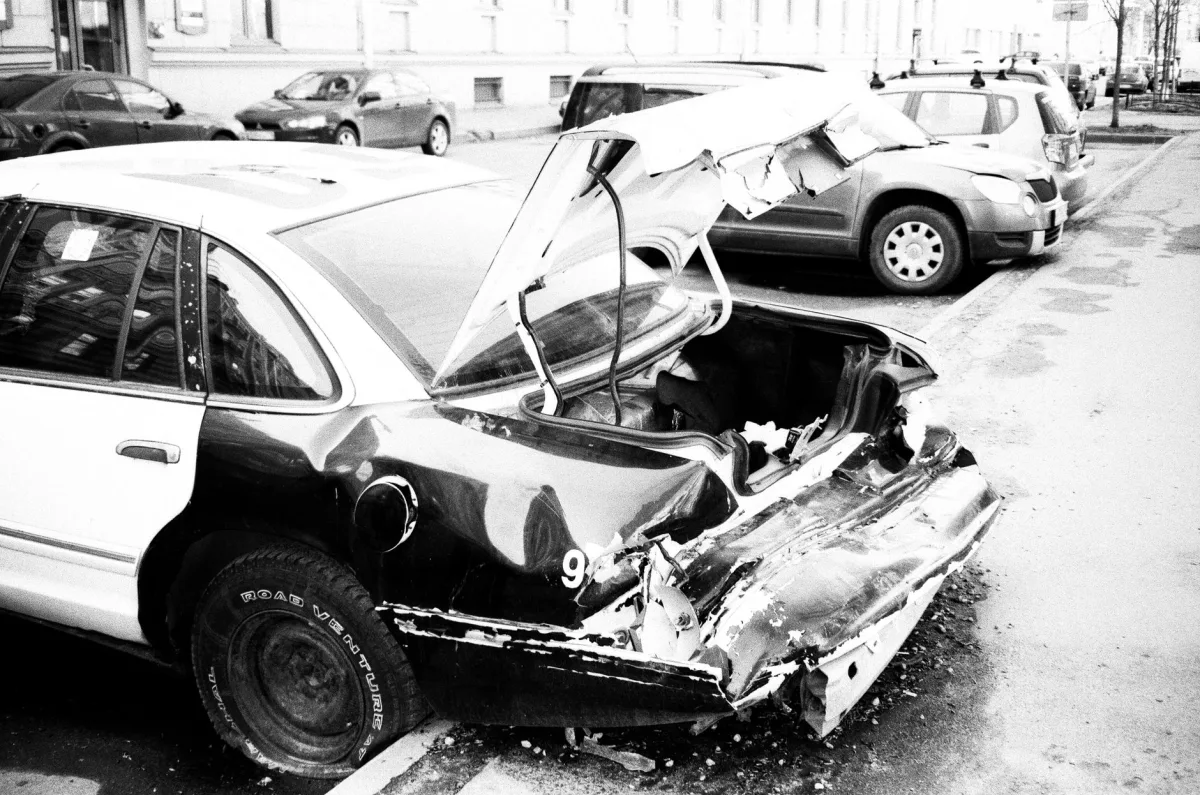
Driving under the influence (DUI) is a serious offense that can have significant repercussions on your car insurance coverage. When you face a DUI charge, the immediate impact is not just legal penalties; it can also alter how your insurer views you as a risk. Understanding how DUI affects car insurance coverage is essential for anyone who finds themselves in this situation.
The Immediate Consequences of a DUI Charge
Once you receive a DUI, your insurance company is likely to be notified, especially if you were involved in an accident. This notification often leads to an immediate review of your policy. Since insurance providers assess risk based on driving history, a DUI conviction typically categorizes you as a high-risk driver. As a result, your current insurer may choose to raise your premiums substantially or even cancel your policy altogether. In many jurisdictions, insurers are obligated to inform the state about any changes to your policy status, which can further complicate your situation.
For instance, consider a driver named Sarah, who was charged with DUI after a night out. Sarah had a clean driving record prior to this incident. However, following her arrest, her insurer increased her premium by 30% due to her new risk profile. This increase could last for several years, depending on the policies of the insurance company and state regulations. Furthermore, if her insurer decided to drop her coverage, she would have to seek new insurance, likely at even higher rates due to her DUI record.
Car Insurance Cover DUI Incident Evaluations
Car insurance companies evaluate DUI cases through a combination of state laws and their internal guidelines. Each state has unique regulations regarding insurance coverage for DUI incidents, and this can influence whether car insurance covers DUI. In many cases, policies include clauses that specifically address driving under the influence. These clauses can vary significantly, so it’s crucial to read your policy thoroughly.
In general, if your policy includes coverage for liability, it may cover damages resulting from an accident caused by DUI, but it won’t cover the criminal fines associated with the offense. Additionally, if you’re found guilty, your insurer will likely classify you as a high-risk driver, affecting your future coverage options and rates. Thus, understanding your specific policy details is vital to navigating this situation successfully.
The Role of SR-22 Insurance After a DUI
In many states, a DUI conviction requires drivers to file an SR-22 form, which demonstrates that they carry the minimum required insurance coverage. An SR-22 is not an insurance policy itself but rather a certificate filed by your insurer. This form essentially informs the state that you are meeting your financial responsibility requirement.
Obtaining an SR-22 can complicate your insurance situation; not only might your premiums increase, but not all insurers offer SR-22 filings. Consequently, you may need to shop around for a provider willing to accommodate this requirement. If your current insurer does not provide SR-22 filings, you’ll need to explore alternatives. This can lead to further complications, especially if you are not fully aware of the implications of switching insurers after a DUI.
Car Insurance Cover DUI Options Explored
If you find yourself needing to secure car insurance post-DUI, several options exist. First, it’s wise to compare rates from various companies, as some are more lenient with high-risk drivers than others. Online comparison tools can help you find the best rates available.
Moreover, you may want to consider working with an insurance broker. Brokers often have access to multiple insurers and can help you find a policy that meets your needs while also being affordable. Keep in mind that it may take time to find a suitable provider, especially as you may have limited options due to your DUI.
Additionally, taking proactive steps to improve your driving record can help. Completing a DUI education program or driving safety course may reflect positively on you as a driver, which could, in turn, help reduce your insurance rates over time. Engaging in community service or obtaining supportive references can also bolster your application when seeking new coverage.
Navigating the waters of car insurance coverage after a DUI can be daunting, but understanding your options can make a significant difference. For more insights on insurance-related topics, you can explore Are Foreign Cars More Expensive to Insure? and other articles to help you make informed decisions.
The Role of State Laws in Car Insurance Coverage for DUI
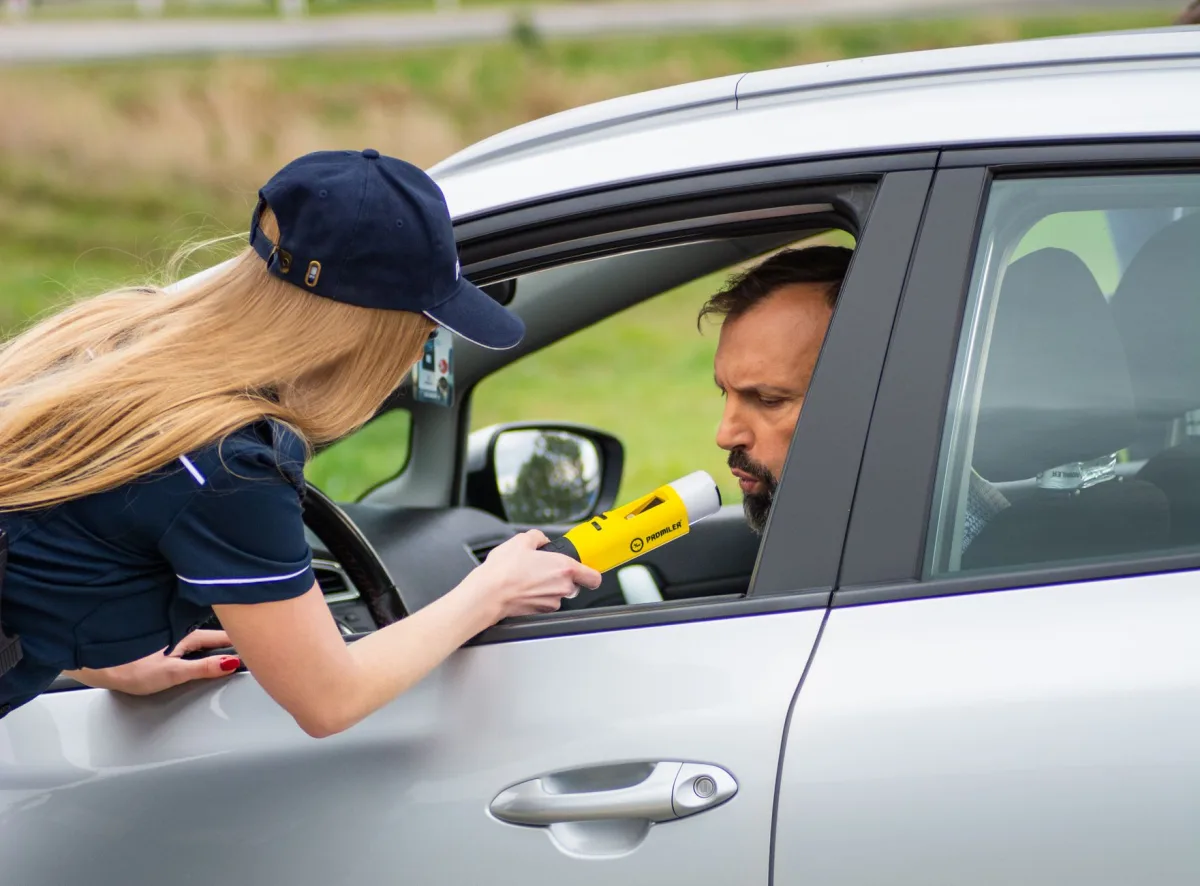
Understanding how state laws influence whether car insurance cover DUI is essential for drivers who may face this serious charge. Each state has different regulations and laws regarding driving under the influence, which significantly impacts insurance coverage. In many cases, insurers evaluate these laws to determine policy terms, premium rates, and overall coverage options. Consequently, knowing your state’s stance on DUI can help you anticipate how your insurance may react if you find yourself in this situation.
State Regulations on Car Insurance Cover DUI
State laws vary widely when it comes to DUI offenses. For example, some states categorize DUI as a misdemeanor, whereas others may treat it as a felony, particularly if it involves injury or repeat offenses. This distinction is crucial because it affects how car insurance cover DUI incidents. For instance, in states where DUI is a felony, you may find it more challenging to obtain coverage or face significantly higher premiums due to the increased risk associated with such offenses.
Additionally, states have different requirements for mandatory insurance coverage. Some states require higher liability limits for those convicted of DUI. In these states, insurers must comply with these requirements, creating a ripple effect that can impact your coverage options and premiums. It’s essential to familiarize yourself with the specific laws in your state, as they can dictate not only the severity of your situation but also your available options in the insurance market.
The Impact of License Suspension Laws
Another critical aspect of state laws is the potential for license suspension following a DUI conviction. Many states impose automatic license suspensions, which can complicate obtaining car insurance. For example, if your license is suspended, insurers may consider you a higher risk, leading to increased premiums or, in some cases, denial of coverage. This can create a vicious cycle where losing your license makes it harder to find insurance, and without insurance, reinstating your license can be nearly impossible.
Furthermore, some states have adopted “SR-22” insurance requirements for drivers with DUI convictions. An SR-22 is not a type of insurance but rather a form that verifies that a driver carries the state-mandated insurance coverage. This requirement can further complicate the process, as not all insurers offer SR-22 filings. Therefore, understanding whether your state mandates this form and how it affects car insurance cover DUI can save you from unnecessary frustration.
Insurance Provider Discretion on Car Insurance Cover DUI
Insurance companies often have their own policies regarding DUI offenses, but these policies are still influenced by state laws. Some providers may choose to exclude coverage for DUI incidents altogether, while others might only raise the premiums. This discretion means that even if your state has lenient laws regarding DUIs, your specific insurance provider may not. It’s essential to review your policy documents closely and consult with your insurer to clarify how they handle DUIs.
Moreover, if you are convicted of DUI, you should expect to see changes in your insurance policy. Depending on how your state laws dictate penalties for DUIs, you might experience immediate hikes in your premiums or even non-renewal of your policy. Therefore, it is vital to regularly communicate with your insurance agent and stay informed about how your state laws affect your coverage.
Educating Yourself on Local Laws
To navigate the complexities of how car insurance cover DUI, you must educate yourself on your local laws. Many states provide resources online where you can learn about DUI regulations, the penalties associated with them, and how they impact your insurance. Websites like the National Highway Traffic Safety Administration (NHTSA) can offer valuable insight into the specifics of your state’s laws regarding DUI.
Additionally, consulting with a legal professional who specializes in DUI cases can offer tailored advice. They can explain how local laws affect your insurance situation, helping you make informed decisions. Ultimately, having a thorough understanding of your state’s laws will empower you to navigate the intricacies of insurance coverage more effectively, especially in the unfortunate event of a DUI incident.
Baca juga: Do Nonprofits Need D&O Insurance? A Crucial Look
DUI Consequences on Car Insurance Cover DUI

Driving Under the Influence (DUI) has severe repercussions that extend beyond legal penalties. One of the most significant impacts is on your car insurance. After a DUI conviction, you can expect to face increased premiums and changes to your policy terms, which can last for several years. This section will delve into how a DUI affects insurance costs and the conditions of your coverage.
Increased Premiums Following a DUI
When you ask if car insurance covers DUI incidents, it’s crucial to understand that a DUI will typically lead to higher insurance premiums. Insurance companies view a DUI as a major risk factor, indicating reckless behavior. For instance, if your previous premium was $1,200 annually, it could rise to $1,800 or more after a DUI conviction. This increase isn’t just a temporary adjustment; many insurers maintain heightened rates for three to five years after the incident.
Furthermore, each provider has its criteria for assessing risk. Some companies may impose substantial increases, while others might be more lenient. However, it’s vital to remember that any increase translates into significant financial burden. Therefore, it’s essential to shop around for quotes post-DUI, as not all insurers will handle your situation the same way.
Possible Policy Changes for Car Insurance Cover DUI
In addition to increased premiums, a DUI can lead to modifications in your policy terms. Insurers may impose specific requirements, such as the need for an SR-22 form. This form serves as proof that you carry the minimum liability coverage mandated by your state after a DUI. Not every insurance company provides this service, so you may have to switch providers to find one that does.
Moreover, some insurers may restrict your coverage options. For example, they might eliminate comprehensive coverage, which protects against theft or natural disasters. This limitation can leave drivers vulnerable, as they would only have liability coverage, which only pays for damages to others in an accident you cause. It’s essential to read the fine print carefully to understand how your coverage may change after a DUI.
Impact on Future Insurance Applications
A DUI conviction doesn’t just impact your current policy; it can influence future applications for car insurance. Many companies require you to disclose any DUI incidents during the application process. This disclosure can serve as a red flag, leading to higher premiums or even denial of coverage altogether.
Insurance companies often conduct background checks, and if they find a DUI on your record, they might perceive you as a high-risk driver. As a result, it’s common for individuals with a DUI to have limited options when seeking new insurance. Drivers should be prepared for a potentially challenging process if they plan to switch insurance providers after a conviction.
Long-term Effects of Car Insurance Cover DUI
The financial implications of a DUI extend well beyond immediate premium increases. Over time, higher rates can accumulate, leading to significant costs. For instance, if your premiums increase by $600 annually, that adds up to thousands over five years. Additionally, if a DUI affects your credit score, which often happens, you may face further financial difficulties. Insurance companies often consider credit ratings when determining premiums, meaning a lower score can lead to higher rates.
Finally, the stigma associated with DUIs can impact not only insurance costs but also your overall financial health. Many employers conduct background checks, and having a DUI on your record may limit job opportunities or lead to job loss in certain fields. All these factors contribute to a long-term financial burden that can make recovering from a DUI conviction exceedingly challenging.
Steps to Take After a DUI Incident Regarding Your Car Insurance
After a DUI incident, the immediate steps you take can significantly impact your car insurance coverage. Understanding your options, obligations, and the potential effects on your policy is crucial. First and foremost, contact your car insurance company as soon as possible. They need to be informed of the DUI for your records and to understand how it may affect your coverage going forward.
When you reach out to your insurer, be prepared to provide detailed information about the incident. This includes when and where it occurred, whether anyone was injured, and the circumstances surrounding your arrest. This information helps your insurer assess the situation accurately. Furthermore, it’s essential to understand that car insurance cover DUI incidents can vary widely between policies. Some insurers may view a DUI as a breach of the policy agreement, while others may offer continued coverage under specific conditions.
Reviewing Car Insurance Cover DUI Policies
After notifying your insurer, take a moment to review your insurance policy. Every policy has its own terms regarding coverage in the event of a DUI. Look specifically for sections that address violations and their implications. If your policy states that you must maintain a clean driving record, a DUI might lead to cancellation or non-renewal. On the other hand, your insurer may still provide coverage, but at a higher premium.
For example, consider a driver named Alex who received a DUI. Alex’s policy had a clause stating that any major violations would lead to a review of coverage. After the DUI incident, Alex’s insurance company raised his premium significantly. Thus, understanding the specifics of your policy allows you to anticipate changes and budget accordingly.
Understand the Implications for Your Premiums
Once your insurer processes the DUI incident, expect to see changes in your premiums. Insurance companies typically view DUIs as high-risk behaviors, which leads to higher rates. This increase can be substantial, making it essential to plan for potential financial impacts.
In addition, many states have laws that require proof of insurance after a DUI conviction, which can further complicate matters. If you fail to maintain coverage, you might face even higher penalties or difficulty obtaining new insurance. To illustrate, after a DUI incident, Emma struggled to find affordable coverage. Most companies quoted her premiums that were double what she previously paid.
Alternatives for Car Insurance Cover DUI
If your current insurer decides to drop your coverage or raise your premiums too high, it may be time to explore alternatives. While many insurance companies will consider your driving record, some specialize in high-risk insurance coverage. These companies may offer more favorable terms for drivers with DUIs.
Furthermore, consider reaching out to multiple insurers for quotes after the incident. Each company assesses risk differently, and you might find better rates elsewhere. For instance, after receiving a DUI, John shopped around and found a new insurer willing to offer him a policy with a lower premium than his previous provider.
In many cases, demonstrating responsible behavior post-DUI, such as completing a rehabilitation program, can help in negotiations with insurance companies. Sharing this information with potential insurers can lead to more favorable rates.
Keep Documentation and Follow-Up
Throughout this process, it’s essential to keep thorough documentation of all interactions related to your DUI and car insurance. Document the dates of all phone calls, the names of representatives you spoke with, and the information you provided and received. This record will be beneficial if disputes arise later.
In addition, follow up with your insurer regularly to stay updated on your situation. Ensure that they have all necessary documentation and that you understand any changes to your policy. The actions you take now can affect your future insurance options significantly. Not only does this keep you informed, but it also reinforces your commitment to maintaining your coverage.
Navigating the complexities of car insurance after a DUI can feel overwhelming, but understanding each step can help you manage the consequences effectively. Failing to address these issues promptly may result in complications down the line, including higher rates or a lapse in coverage. Therefore, being proactive is key in ensuring that your car insurance covers DUI incidents adequately and sets you on the right track for the future.
Misunderstandings About Car Insurance Cover DUI
One of the primary misconceptions about car insurance is the belief that it will automatically cover any incidents related to a Driving Under the Influence (DUI) charge. Many people assume that once they file a claim, their insurance provider will handle everything without question. However, this is not always the case. Understanding the nuances of how car insurance cover DUI incidents is essential for all drivers.
Understanding Coverage Limitations
A common misunderstanding is that car insurance cover DUI incidents just like any other accident. In reality, most standard policies contain exclusions for intentional or illegal acts, including DUI. This means that if you are convicted of DUI and cause an accident, your insurance company may deny your claim. They could argue that you were engaging in illegal behavior, which voids the coverage under the terms of your policy.
Moreover, if your insurance does initially cover a claim related to a DUI, it might only extend to third-party damages but not to your own vehicle. For example, if you hit another car while intoxicated, the other party’s damages could be covered. However, your vehicle and any medical costs incurred may be left unprotected, leading to significant out-of-pocket expenses.
State Laws Impacting Car Insurance Cover DUI
State laws significantly affect how car insurance cover DUI claims, adding another layer of complexity. Different regulations establish what is permissible when it comes to coverage. In some jurisdictions, a DUI can lead to mandatory policy cancellations or non-renewals. Drivers might find themselves scrambling for new insurance, and often at a much higher rate due to the DUI on their record.
Additionally, some states require higher liability limits for drivers with DUI convictions. Therefore, understanding local laws is crucial for anyone facing DUI charges. If you live in a state with stringent DUI laws, the implications for your insurance could be severe and immediate.
Impact on Future Premiums
Another common misconception is that a DUI will only affect your coverage at the moment of the incident. Unfortunately, the repercussions can last several years. Once an insurer learns of a DUI conviction, they will likely increase your premiums significantly when it’s time for renewal.
For instance, a driver with a clean record might pay a standard rate, but after a DUI, that same driver could see their premiums rise dramatically. This change reflects the insurer’s assessment of increased risk associated with a DUI conviction. Therefore, individuals must consider the long-term financial impact this can have on their insurance costs and budget accordingly.
Alternative Coverage for Car Insurance Cover DUI
Finally, many individuals believe that once they are convicted of DUI, they will not be able to obtain any car insurance coverage. This is a misconception. While it may be more challenging to find insurance, options do exist. Some insurers specialize in providing coverage for high-risk drivers, including those with DUIs on their records.
When exploring these options, it’s critical to compare policies thoroughly. Check the terms to confirm how each policy handles incidents involving DUIs. Additionally, consider factors like coverage limits and exclusions to ensure you are fully informed before making a decision. Ultimately, the ability to find coverage might depend on the diligence you apply in researching your options.
Understanding these common misunderstandings about how car insurance cover DUI incidents can empower you to make informed decisions. It’s essential to be proactive, stay informed about your coverage, and know the laws in your state to navigate the complexities of insurance following a DUI.
Exploring Options for Insurance After a DUI Conviction
After a DUI conviction, many individuals find themselves questioning their car insurance coverage options. Understanding the implications of a DUI on insurance policies is crucial for anyone looking to maintain or secure car insurance. Generally, the first step involves acknowledging that car insurance cover DUI incidents, but this coverage often comes with significant adjustments and consequences.
Understanding Coverage Limitations
When a driver is convicted of a DUI, their existing policy typically faces scrutiny. Insurance companies may view a DUI conviction as a high-risk factor, which can lead to increased premiums or even a refusal to renew coverage. While most insurance policies do not outright deny coverage for DUIs, they often include specific provisions that limit benefits. For instance, coverage might apply for damages caused during an incident, but liability protection could be complicated if the driver was under the influence. Therefore, it is important to read the fine print of your policy and understand how it addresses such situations.
The aftermath of a DUI conviction often requires drivers to seek out new insurance policies. Many companies conduct thorough background checks, which means that having a DUI on your record can lead to higher costs or limited options. Some insurers may categorize individuals with DUIs as high-risk clients and offer policies with exorbitantly high premiums. Consequently, it is essential to compare different providers to find one that not only offers coverage but does so at a reasonable rate.
Finding the Right Insurance Provider
Once you acknowledge the potential limitations of your current policy, exploring new insurance options becomes necessary. Numerous insurance companies specialize in high-risk coverage, explicitly catering to drivers with DUIs. These providers understand the unique challenges faced by individuals with such convictions and often offer customized plans to fit their needs. While these policies may come at a premium, they can provide essential coverage that might otherwise be unavailable.
When searching for a new policy, consider reaching out for quotes from multiple providers. Different companies have varying policies concerning how they handle car insurance cover DUI incidents. Some may impose less severe penalties than others. Moreover, inquire about any discounts that may apply, such as those for completing alcohol education programs. Such programs can sometimes help mitigate the financial impact of a DUI on your insurance costs.
State Regulations and Their Impact
In addition to individual insurance providers, state regulations play a significant role in determining how car insurance cover DUI cases. Each state has its own laws regarding DUI convictions, which can directly affect your insurance options. For instance, some states may require drivers to maintain an SR-22 form, a certificate of financial responsibility, for a certain period following a DUI. This requirement can lead to increased premiums and limited options, as not all insurance companies are willing to file SR-22 forms for high-risk clients.
Furthermore, state laws can influence how insurers calculate risk and set premiums. In states with strict DUI laws, drivers may face harsher consequences, including elevated rates or even cancellation of their existing policies. Consequently, it is advisable to familiarize yourself with your state’s regulations concerning DUIs and insurance coverage to better navigate the post-conviction landscape.
Rebuilding Your Insurance Profile
Rebuilding your insurance profile after a DUI conviction takes time and effort. Maintaining a clean driving record post-DUI is essential; this means obeying traffic laws and avoiding any further incidents. Over time, demonstrating responsible driving behavior can lead to lower premiums as insurers reassess your risk profile. Additionally, many providers offer loyalty discounts for long-term clients who maintain a clean record.
Another effective strategy involves considering a higher deductible. While this means you will pay more out-of-pocket in the event of a claim, it can also lead to lower monthly premiums. This option may be suitable for those who can manage the financial risk in exchange for reduced regular costs. Ultimately, rebuilding your insurance profile requires a combination of strategic planning and diligent adherence to safe driving practices, all while keeping an eye on how car insurance cover DUI in various contexts.
Conclusion
Understanding how car insurance covers DUI incidents is crucial for anyone facing this situation. A DUI can significantly impact your coverage and premiums, making it essential to know your options and rights. If you find yourself in this position, reach out to your insurance provider to clarify your policy and explore any necessary adjustments.
Frequently Asked Questions
What specific coverage might be denied after a DUI incident?
After a DUI incident, your insurance may deny coverage for damages related to the accident or any injuries sustained while driving under the influence. It’s important to check your policy details for exclusions related to DUI offenses.
How can a DUI conviction impact my ability to obtain car insurance?
A DUI conviction can make it difficult to obtain car insurance or result in significantly higher premiums. Many insurance companies view DUI offenders as high-risk drivers, which can limit your options.
Are there insurance companies that specialize in covering drivers with DUIs?
Yes, some insurance companies specialize in high-risk auto insurance, including coverage for drivers with DUIs. These providers focus on offering policies to individuals who may have difficulty finding coverage elsewhere.
What steps should I take to ensure my insurance covers a DUI-related accident?
To ensure coverage, review your policy for specific clauses regarding DUI incidents. Communicate openly with your insurance agent about your concerns and confirm that your policy remains valid after a DUI conviction.
How long does a DUI affect my car insurance rates?
A DUI can affect your car insurance rates for several years, typically ranging from three to five years, depending on your insurer’s policies and state laws. During this time, you may face higher premiums or limited coverage options.